Golfweek Features Jerry Pate Design and Teeth of the Dog - Read More

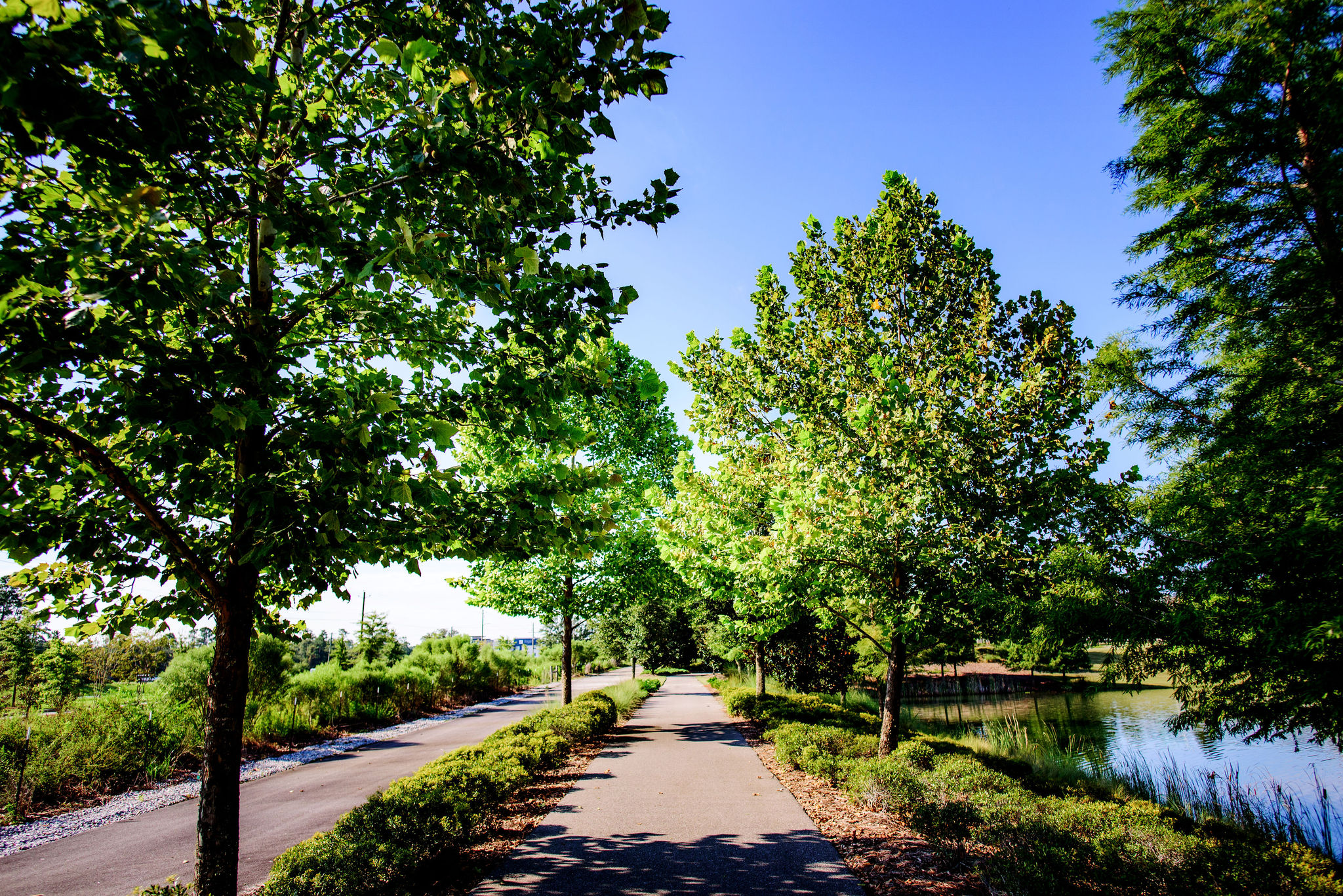
In today’s competitive commercial real estate market, first impressions matter more than ever. When a client, tenant or customer enters your building, the architecture and interior design must communicate your brand. But what about before they enter? Your landscape architecture is what is really communicating the first impression. That’s why you want to create landscapes that tells a story.
Beyond aesthetics, a well-designed landscape can, and should, tell a story. A story that resonates with visitors. And, a story that enhances the value of your property. By extension, a story that makes your space memorable. Landscaping is one of the most powerful tools to shape the narrative that you want to present before visitors even enter the building.
What Does It Mean to Create Landscapes That Tell a Story?
The mission to create landscapes that tell a story goes beyond planting trees, shrubs, and flowers for beauty or shade. Instead, it weaves together natural elements, architectural features, and spatial design to create a narrative. Think of it as branding through landscape. Your landscaping should put forward a story about who you are: innovative, sustainable, welcoming, comfortable or prestigious. A landscape that tells a story translates that identity into physical space.
While we may not always be consciously aware of story-telling landscapes, we have likely all been influenced by them. A story-telling landscape isn’t literal. It’s emotional and experiential. It’s more about guiding how people feel as they move through your property and creating an initial, but lasting impression that aligns with your mission and brand.
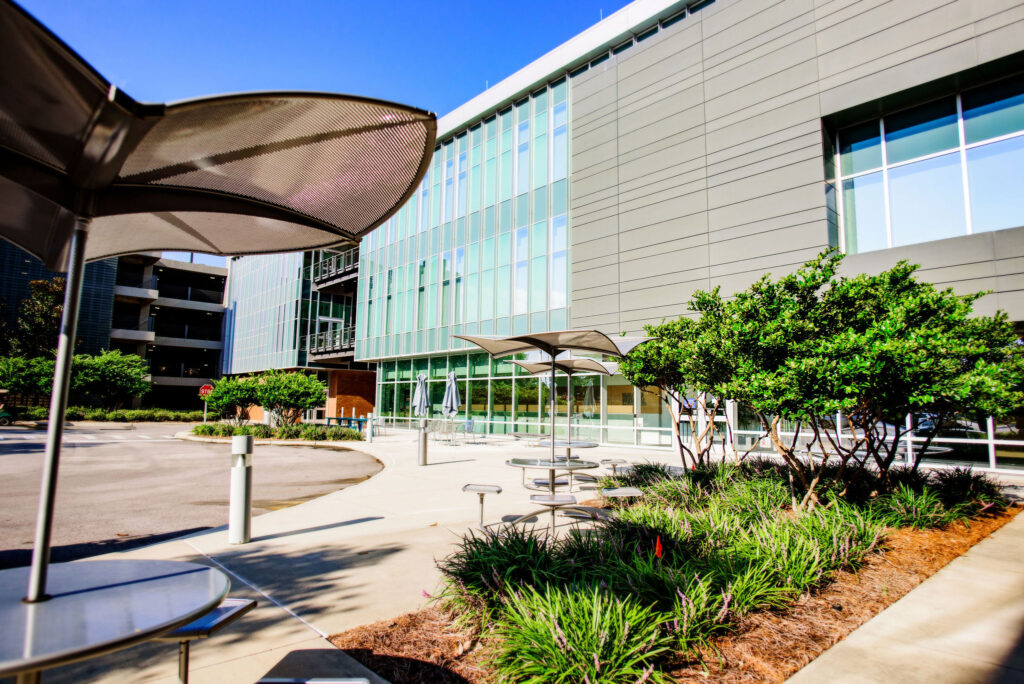
Corporate headquarters may use bold, structured plantings, linear pathways, and modern sculptures to convey innovation and forward momentum. Healthcare facilities might feature soothing water features, native wildflower gardens, and winding walking paths to emphasize healing, wellness, and connection to nature. Retail centers often embrace vibrant seasonal colors, interactive gathering spaces, and playful design elements to tell a story of community, energy, and discovery.
Landscapes that tell a story are often part of memorable public spaces. Invoking an area’s cultural and historical past through a story-telling landscape creates an experience that is engaging as well as beautiful.
Discovering the Story
Not surprisingly, the first step in creating a landscape that tells a story is determining what story the space should tell. Landscape architects may interview stakeholders such as owners, tenants, or the branding team to determine the ideals a commercial property should convey. Residents and experts on an area’s history might provide ideas for a cultural narrative for a public space.
Eventually, the important theme for the story should emerge. It may be one of promoting a brand, elevating a corporate identity or advancing sustainability. Sometimes it will serve to highlight architectural features or highlight a view. In public spaces it may serve to highlight local history or regional identity. The theme may simply be to emphasize a feeling or concept, such as growth, tranquility or transformation.
Reading the Land
As with any good story, the setting matters. When aiming to create landscapes that tell a story, analysis of the features and constraints that a site provides is critical. Topography, existing vegetation, soil conditions, microclimates and views will all influence how the story gets told. Surrounding architecture and man-made features also come into play.
Natural features worth celebrating should be identified, while challenges such as lack of shade or drainage issues must be taken into account. The end result should be a plan for a story that flows naturally from the site instead of being imposed upon it.
Developing and Reinforcing the Story
When the story and site elements are understood, it’s time to develop the framework of the narrative, much like the outline of a story. How should someone feel when they arrive? What should unfold as they move deeper into the space? What symbolic elements will be included?
Metaphors are as common in landscape storytelling as they are in prose. Abstract ideas are represented by tangible forms. A central plaza represents community, a winding path can symbolize fluidity or discovery, water features convey renewal and strong verticals give a sense of aspiration.
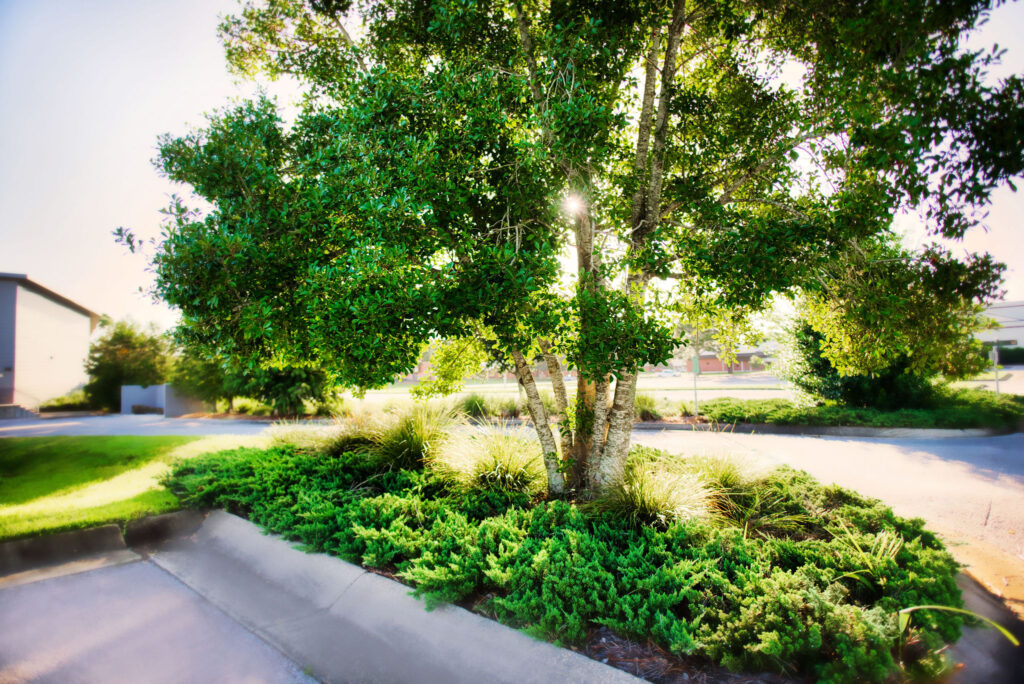
Open spaces may tell a different part of the story than enclosed spaces. Softer textured plants provide a sense of tranquility, while bold contrasts invoke energy. Hardscaping materials, such as stone, wood or metal can also carry symbolic meaning. Solar lights and recycled products may highlight sustainability. Material choices should support the story as much as greenery does.
The story that is being told may not always be obvious. Just as a good novel unfolds chapter by chapter, the story-telling landscape invites visitors to gradually experience the narrative. Sculptures, water features, or specimen trees can act as chapters. Repetition of forms, transitions in scale or shifts in planting styles guide people emotionally without them realizing it. Plaques or interactive installations can provide a starting point or the culmination of the experience.
Unlike the written word, a landscape that tells a story can engage many senses. The narrative comes alive when it engages more than one sense. Layered plantings, dynamic lighting and seasonal color changes engage the eye. Bubbling fountains, rustling grasses, birdsong and wind chimes treat the ear. Varied textures in plantings and hardscape materials invite the touch. Fragrant flowers and herbs delight the nose. By engaging the senses, you create experiences that resonate emotionally and linger in memory.
Implementing and Maintaining
Creating a landscape that tells a story is a long-term investment. Implementation should be guided by a phased plan, balancing budget with priorities. Equally important is maintenance. A neglected story quickly turns into a forgotten one.
Partnering with landscape professionals who understand your narrative is important, both in implementation and maintenance. A familiarity with the role that elements play in the story is critical in making sure that they continue to do so throughout the years. As plants mature and seasons change, they or the story may need to be adjusted. The expertise of professional landscape architects make sure it is done correctly. Training of on-site maintenance teams is also a good idea to make sure the character of the installation remains intact during routine upkeep.
More Than Just Greenery
For commercial property owners, your landscape is the stage where your brand’s story comes to life. A thoughtfully designed outdoor environment can communicate your company’s values, welcome visitors with intention, and create memorable experiences that set your property apart from competitors.
Whether you want to project innovation, sustainability, hospitality, or prestige, striving to create landscapes that tell a story can result in a powerful first impression on clients, tenants, and customers. A landscape without a story risks blending into the background, while one with a clear narrative becomes an asset that reinforces your identity and adds measurable value to your property.
If you’re ready to move beyond curb appeal and create a landscape that truly speaks for your business, give the experts at Jerry Pate Design a call. By partnering with our experts, you can translate your brand into a living, functional, and inspiring environment that draws people in and keeps them coming back. Contact us today to start designing a story-telling landscape that elevates your property and strengthens your brand.
