Golfweek Features Jerry Pate Design and Teeth of the Dog - Read More

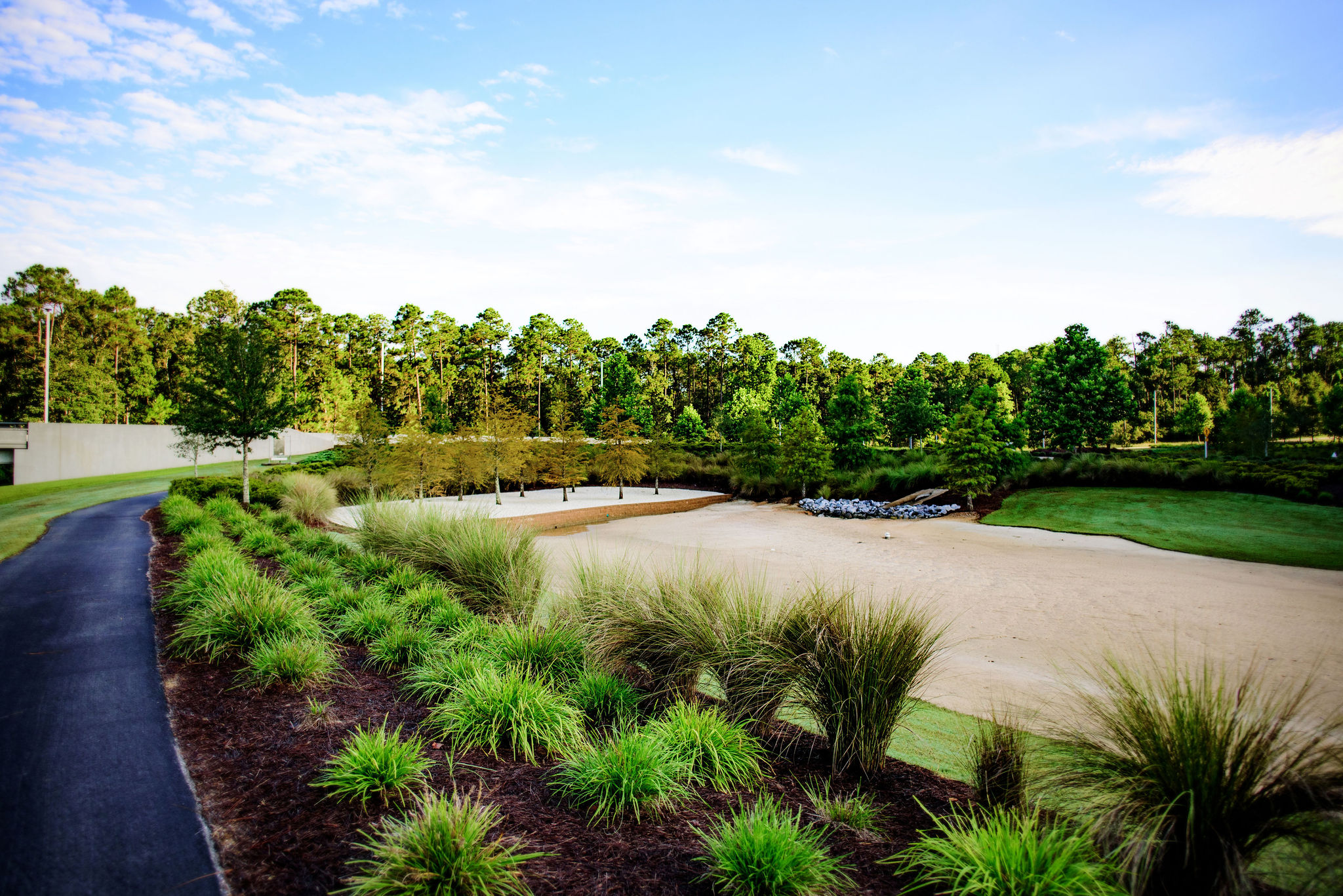
In our recent post about the Art of Site Analysis, we touched on the value of understanding a location’s topography. Creating a landscape that works with a site’s topography shapes exceptional landscape design in a number of ways. Blending a design to work with existing slopes and valleys creates amazing vistas and reduces cost at the same time.
What is Topography?
Topography is the science of mapping land formations. It represents the shape and features of the land that have an effect on natural processes and design options. The first step to understanding a site is evaluating the existing shape of the land. The slope of hills and the depth of valleys, along with any flat and level areas, have a significant influence on the final landscape design.
The findings of a survey can then be represented in contour maps and topographic models. These representations allow a landscape architect to utilize a visual representation of the site when deciding how and where to place design features. Topography shapes exceptional landscape architecture when the designer blends their vision with the existing attributes of the land.
Topographic study provides critical information on various natural processes, including drainage patterns, erosion and deposition. Understanding the natural elements that relate to water flow and collection points is essential in creating a landscape that effectively manages water resources, mitigates flood risks and preserves ecological habitats.
How Topography Shapes Project Planning
Accurate Site Planning
It’s essential to understand the existing site conditions before any project can begin. A complete picture of existing natural and man-made features enables the creation of a design that is both aesthetically appropriate and cost effective. In particular, topographic mapping can help designers understand a site’s attributes and limitations early in the process.
Improper planning often results in excessive site grading and possible rework that will have a significant impact on project costs. Providing an accurate representation of the design and how it suits the site’s contours also helps to ensure customer satisfaction with the finished product.
Effective Drainage and Water Management
One of the biggest challenges in landscape design is ensuring proper water management. Poor drainage can have a major impact on the longevity of landscape architecture. The water flow over slopes, into valleys and through natural swales must be taken into consideration.
Drainage strategies become part of an attractive landscape when topography shapes landscape architecture. Elements like dry creek beds, rain gardens and swales lined with vegetation serve a purpose while adding visual interest. French drains or gravel collection points may be necessary for extremely wet areas and can be worked into the design from the start. Understanding a site’s topography allows designers to plan such measures from the outset rather than after drainage problems occur.
Risk Reduction and Cost Savings
A major advantage of understanding topography at the start of a project is risk and cost reduction. A design that imposes a flat footprint on a ground area with hills and valleys results in a lot of extra earth-moving expense. Add to that the need for additional permitting and erosion control measures and you can easily see the benefit of working with the lay of the land rather than against it.
Changing the topography of the land can present future risks as well. As mentioned above, poor drainage is an issue that plagues poor landscape design. Changing the natural runoff patterns of a site often results in future drainage issues that need to be corrected.
How Topography Shapes Exceptional Landscape Architecture
The Aesthetic Benefits
When we think of a beautiful landscape, rolling hills and shadowed valleys often come to mind. Variations in elevation create visual interest. When topography shapes landscape architecture, the benefits go well beyond functional and cost-saving aspects. Sometimes the most beautiful landscape designs are developed in response to existing land formations.

Terraces and Retaining Walls
Sloping sites present an opportunity for architects rather than a limitation. Terraces are an ideal way to add dimension to a landscape while also managing runoff and preventing erosion. Terrace steps can be transformed into gardens, patios or outdoor seating areas that provide both functionality and appealing views of other areas of the landscape.
Retaining walls are utilitarian in nature, but can still provide visual interest. They can become a pivotal element of the landscape architecture that dramatically enhances a property’s aesthetic appeal. Retaining walls act as a sculptural element, defining spaces, managing grade changes and introducing a sense of order and permanence to the terrain. More than just holding back earth, an expertly designed wall presents a backdrop that integrates seamlessly with the overall design, creating usable terraces and visually compelling transitions that elevate the entire outdoor experience.
Material choice is important for retaining walls and terrace borders. Stone can provide a rough-hewn and natural texture, modular blocks or bricks create an orderly appearance and wood impresses with rustic warmth. Even concrete can be stamped or sculpted to create visual interest along with resilience.
Pathways and Steps
Adding to the appeal of an elevated landscape is the means of getting to different levels. Artfully crafted pathways and steps that guide visitors up and down the slopes of the landscape add beauty and functionality. Flagstone, wood and gravel pathways can serve as three dimensional borders and add definition to the landscape.
Water Features
Sloping land can present a perfect opportunity for a water feature that blends perfectly with the surrounding landscape. The tranquil sound and motion of flowing water make water features a focal point of the landscape. They work even better on sloping ground than on flat terrain, making them a fantastic choice for complex topography.
Natural looking streams can be designed to flow down slopes, creating a calming, meandering waterway. Terraced pools provide even more visual interest. Larger slopes may even lend themselves to attention demanding waterfalls. Low lying areas can be transformed into rain gardens that serve the functional purpose of capturing runoff while providing a perfect environment for beautiful water-loving plants and wildlife.

Layering
Layers of vegetation provide visual interest to the eye. While varying plant heights are the go-to layering option on flat terrain, sloping topography creates countless opportunities to create depth and texture regardless of mature plant height.
Working With Topology to Create Lasting Value
The experts at Jerry Pate Design are committed to creating the right landscape design for your property. We understand that topography shapes exceptional landscape architecture and see complex site topology as both a challenge and an opportunity. The right design can avoid drainage issues while extending the usable outdoor space. Best of all, a sloping landscape can be the perfect starting point for a stunning landscape design.
Please get in touch to see how we can help you reimagine your landscape possibilities.
