Golfweek Features Jerry Pate Design and Teeth of the Dog - Read More

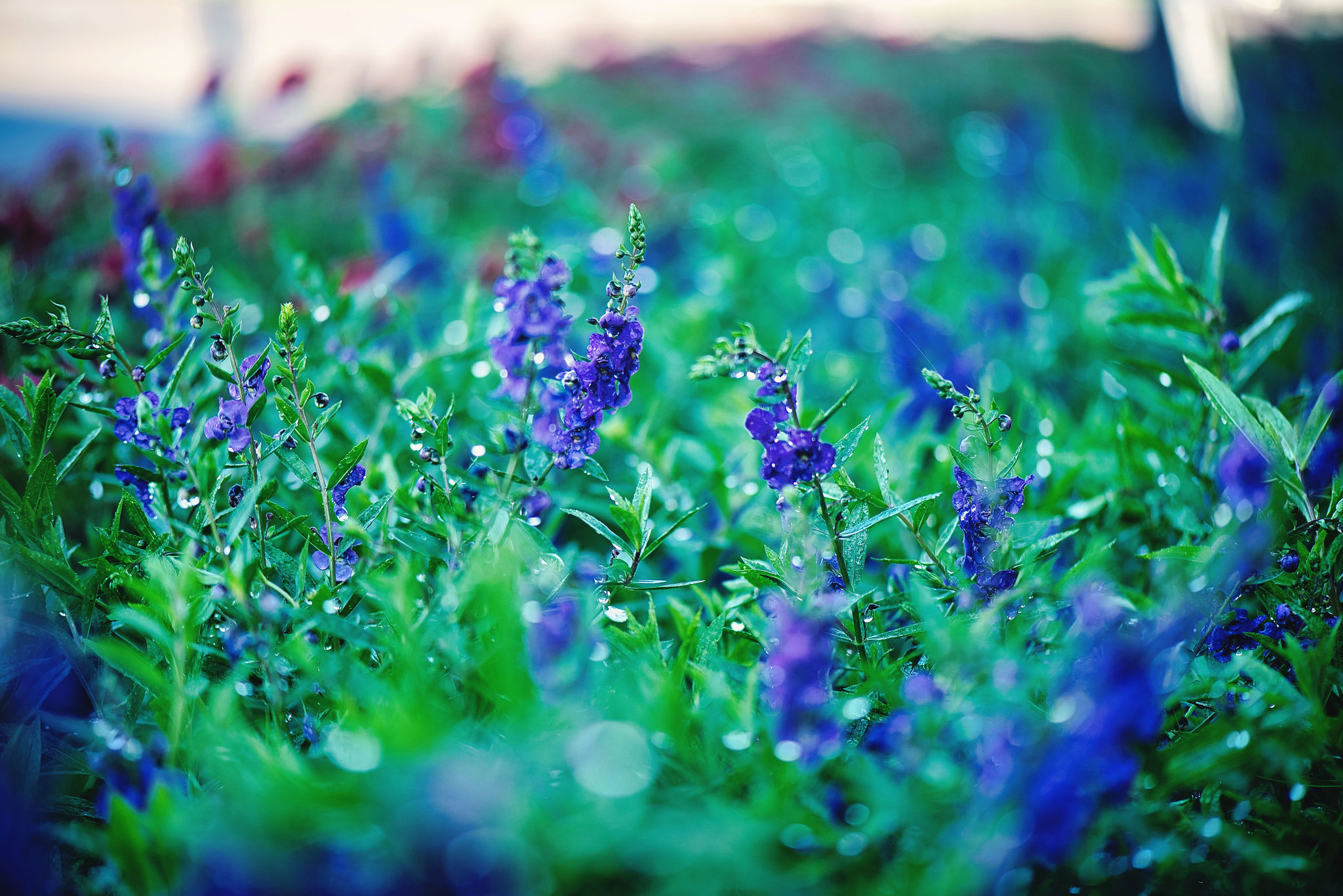
Water conservation and sustainability have become an important consideration in modern landscape design. In many areas of the country, designing landscapes that require less irrigation has become a necessity. Innovative water-wise landscape design reduces the reliance on a precious resource, with vibrant and resilient results.
The earth is often referred to as a big blue planet, with 71% of it covered by water. The problem is that 99% of that water is not usable for our fresh water needs. The rivers, lakes and reservoirs we draw our water from account for less than 1% of the total water on Earth. The inefficient use of water in the U.S. has led to growing concern over freshwater shortages.
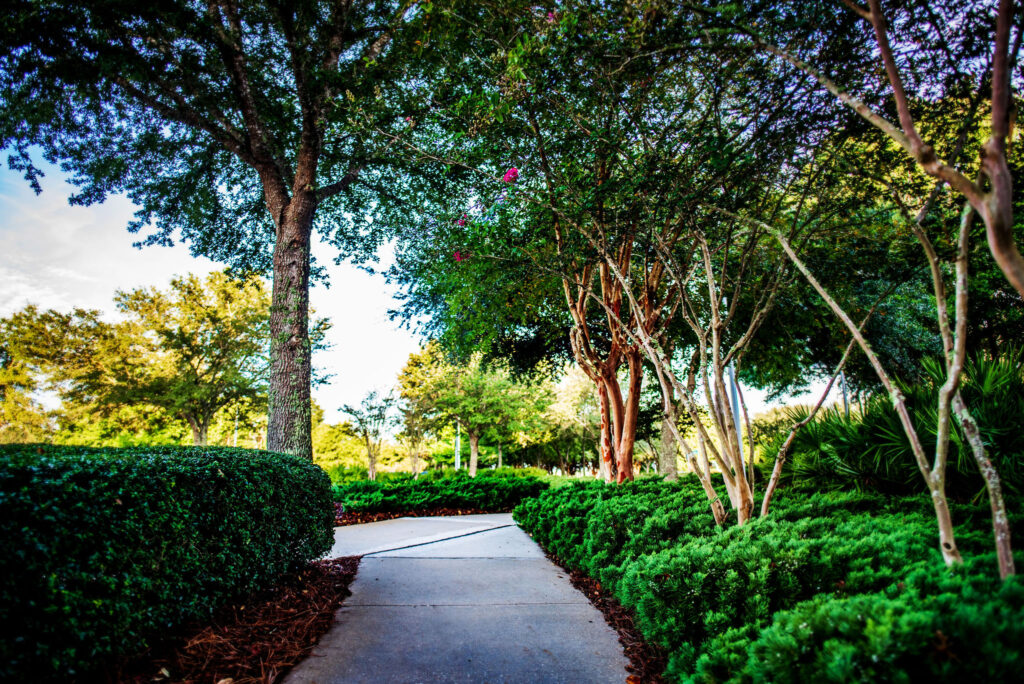
How Water-Wise Landscaping Can Make a Difference
Landscape irrigation is a primary contributor to inefficient water use. It accounts for over 7 billion gallons of water used each day. On average, homeowners use 50-70% of their total water consumption to keep lawns green, landscapes in perfect condition and gardens lush. At the same time, wild plants thrive with only the water that rain provides. By focusing on proper watering and choosing the right plants and materials, we can create a water-wise landscape.
The obvious issue is that when plants don’t get enough water they don’t look as good. Drought stress is the enemy of a great-looking landscape. Efficient irrigation, mulching, effective windbreaks and providing the right amount of shade can all help to keep plants healthy without wasting water. Choosing drought-tolerant native plants and thoughtfully incorporating hardscape elements can also reduce water usage.
Water-wise landscape design is also referred to as xeriscaping. It’s the art of creating landscapes that require little water in addition to what nature provides. People sometimes think of a xeriscape as cacti and succulents surrounded by gravel and rocks. In reality, a well-designed xeriscape is a vibrant landscape full of life and color, just one that uses up to 60% less water than a grass lawn.
What Water-Wise Landscaping Actually Looks Like
The biggest water-wasting offender in the landscape is typically grass. It takes a lot of moisture to keep grass healthy because the majority of its mass is made up of water. Grass is constantly losing water to the air through evapotranspiration. In addition, many lawns have shallow roots, making them dependent on constant watering.
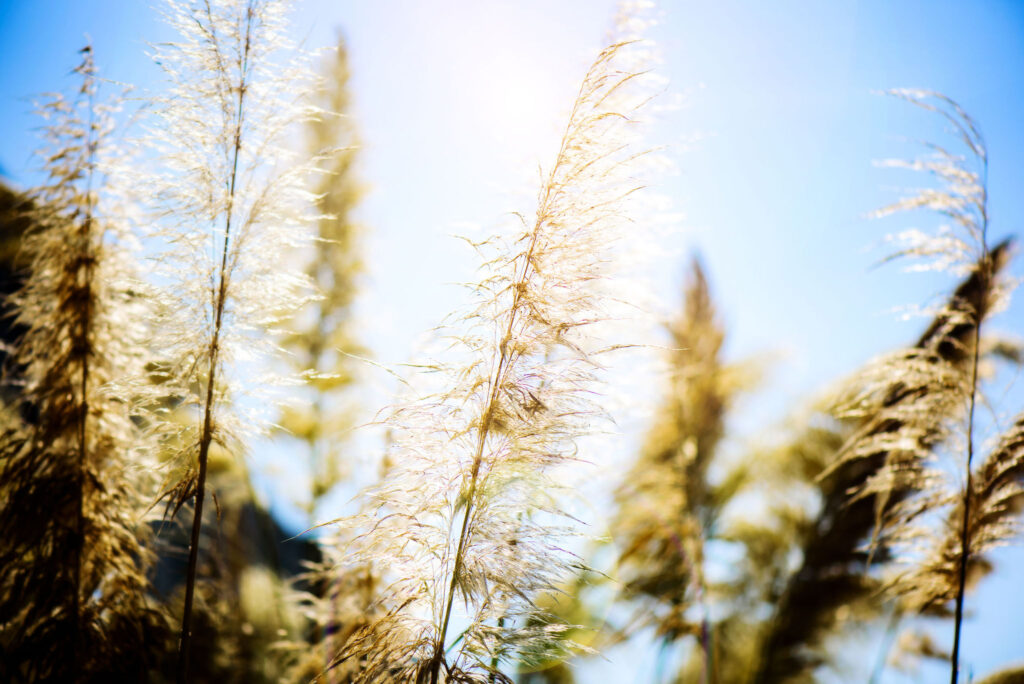
Water-wise landscapes, on the other hand, are made up of plants that thrive in dry conditions. Options include native plants that are already adapted to local conditions, including rainfall as a sole water source. Species adapted from arid regions are also used. The key characteristics in plant selection for a water-wise landscape are low maintenance and reduced water use.
As mentioned earlier, cacti and succulents immediately come to mind when discussing xeriscaping. There are many other beautiful plants to choose from for a sustainable landscape, though. Ornamental grasses like switchgrass provide flowing visual interest. Perennials like coneflowers, daylilies, lavender and yarrow reliably add color year after year. Lavender, rosemary, juniper, butterfly bush are among the many shrubs that can create a solid backdrop without requiring supplemental water or much maintenance. Creeping thyme or moss phlox provide a beautiful ground cover. Herbs like Thyme, oregano and sage add to both the visual and culinary palate. Conifers and shrubs with interesting bark, like redtwig dogwood, extend color into the winter months.
The list goes on and on. It should be obvious by now that a water-wise landscape does not have to be bland and colorless. There are lots of beautiful plants that can add color and interest to a landscape while getting most, if not all, of their moisture from rainfall. Waxy leaves, deep roots and fuzzy foliage are often good indicators of plants that will thrive without a lot of watering. Success lies in choosing the right plants that match a specific site’s sun, soil and drainage conditions.
When Rainfall Isn’t Enough
An ideal water-wise landscape would be populated with native plants that require no additional maintenance or irrigation. In practice, that landscape could easily end up looking like an overgrown vacant lot. Careful plant selection, weeding and soil amendment can help keep it under control and looking nice, but some additional watering may still be necessary, particularly in the first year after planting. That’s where some of the following strategies come into play.
Grouping plants according to water needs can significantly reduce water usage and will also help plants to thrive in their ideal conditions. Shrubs, trees and native plants require much less water than thirsty turfgrass or non-native ornamentals. separating plants into different hydrozones allows for more efficient irrigation scheduling.
The use of efficient irrigation systems ensures that water isn’t wasted. A well-designed system will include automatic valves, rain sensors, soil moisture sensors and scheduling components. Regular testing and maintenance of hoses, drip lines and sprinkler heads is necessary to ensure that water gets to where it is needed without unnecessary loss.
Timing is Important
Efficient scheduling is critical. Poorly timed watering and over-watering will lead to shallow grass roots, for instance, leading to even more water dependence. State university extension programs and government agricultural weather networks are a good starting point for local irrigation and evapotranspiration data.
Schedules should be adjusted at least monthly to account for current conditions. Smart controllers help to automate scheduling by analyzing plant needs and local weather info like temperature, precipitation, relative humidity and wind speed.
Don’t Forget the Soil
Attention to the ground is another important component of water-wise landscaping. Soil amendment with organic matter will help to retain moisture and a good layer of mulch will help reduce evaporation and also help to control water-stealing weeds.
Water-Wise Landscaping Isn’t Dull Landscaping
At Jerry Pate Design, we take both beauty and sustainability seriously. Our experts understand that water-wise landscaping doesn’t mean boring landscaping. By combining the right plants with attractive hardscaping we create designs that delight the eye while reducing maintenance and lowering water use. Let us show you how we can take your landscape to the next level and conserve water at the same time.
