Golfweek Features Jerry Pate Design and Teeth of the Dog - Read More

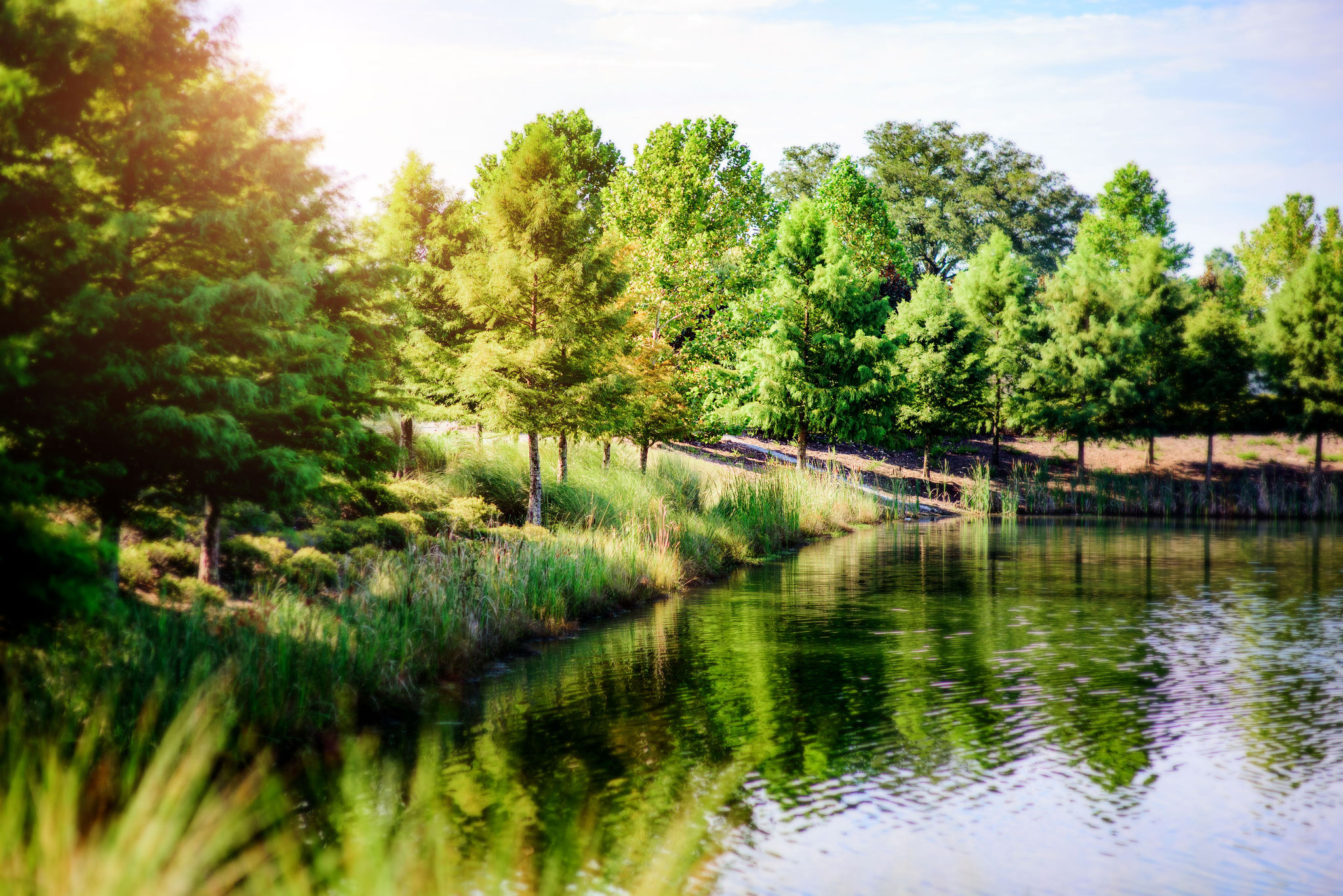
Exposure to nature is good for us. Exposure to natural elements such as sunlight, greenery and natural themes leads to reduced stress, improved mood, enhanced cognition and overall well-being. What if we could bring the benefits of natural surroundings to the urban landscape? The good news is that we can, through the practice of biophilic design.
The term biophilia was coined by psychologist Erich Fromm in 1964 and popularized by biologist Edward O. Wilson in his 1984 book Biophilia. Fromm described biophilia as the “passionate love of life and of all that is alive.” Stephen Kellert and Elizabeth Calabrese later wrote a paper on “The Practice of Biophilic Design” which stated, “it’s the inherent human inclination to affiliate with nature that even in the modern world continues to be critical to people’s physical and mental health and wellbeing.”
Three Experience Categories
That paper went on to elaborate on the principles and application of the practice of biophilic design. The goal is to create work and living spaces that provide three basic categories of experiences:
- Direct experience of nature – natural light, fresh air, plants, animals, water and landscapes
- Indirect experience of nature – exposure to images, shapes, colors, patterns and geometries characteristic of the natural world
- Experience of space and place – inspiring ideas of way finding, refuge, organized complexity, transitional spaces and cultural and ecological attachment to place.
The Principles of Biophilic Design
The Kellert-Calabrese paper went on to establish some key principles for bringing the experience of nature into the built environment. The basic principles include:
- Repeated and sustained engagement with nature
- A focus on human adaptation to the natural world
- Encouragement of the emotional attachment to settings and places
- Promoting interaction between people and nature
- Creating and reinforcing interconnected and integrated natural and architectural solutions.
Key Elements of Biophilic Design
The practice of biophilic design relies on a selection of natural elements incorporated into building spaces that help to fulfill the basic principles. An important aspect of the design philosophy is that elements should not stand alone, but should be combined, interconnected and woven into the broader experience.
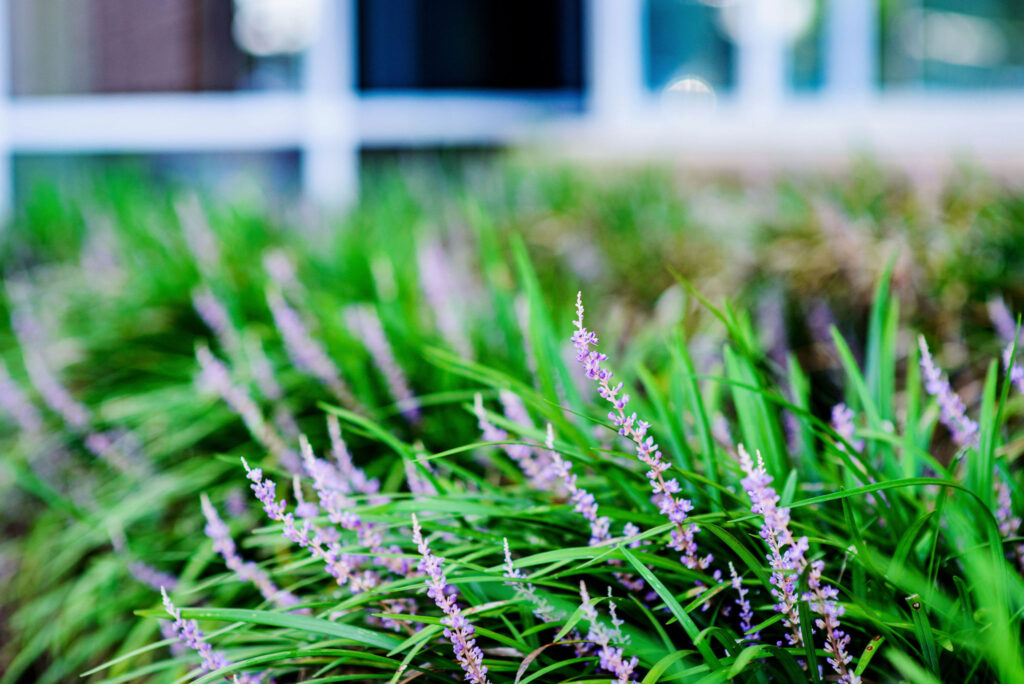
- Vegetation: Perhaps the most obvious biophilic design feature is vegetation. Indoor garden areas are one of the most successful and often used strategies for bringing the experience of nature into the built environment. Single or isolated plants don’t really reflect biophilic design, however. Abundant, connected and ecologically related plants are what really reflect the design philosophy.
- Images of nature: Images of plants, animals, landscapes, water and geological features are another common and easy to implement biophilic design principle. Photos, paintings and sculptures are among the types of imagery that may be used. As with live plants, single or isolated images don’t have much impact. Repeating images often and with a theme is what effectively builds the experience.
- Combining visual and non-visual connections: Visual experiences are a significant part of biophilic design and are even more powerful when combined with non-visual perceptions. A living tree (or the image of one, for that matter) may be combined with the sound of rustling leaves or the scents of pine or damp earth to engage multiple senses. The warmth of wood and the roughness of stone stimulate the sense of touch, promoting further multi-sensory connection to nature.
More Key Elements
- Dynamic and diffused light: Utilizing daylight wherever possible is essential to biophilic design and provides a powerful mood and productivity boost. The use of pergolas or light-filtering canopies can be used to create varied and subtly changing light patterns. The effect mimics the way shadows and highlights change throughout the day on the forest floor.
- Water features: Next to plants, the presence of water is probably one of the most memorable aspects of biophilic design. Rippling or flowing water engages visual, olfactory and auditory senses. The calming influence of the sound of flowing water is undeniable and an added benefit is its ability to mask traffic noise.
- Thermal and airflow variability: Designing spaces that allow for natural breezes and subtle temperature changes makes the environment feel alive rather than climate-controlled. The water features we just mentioned can help to create natural-feeling changes in temperature and humidity.
- Biomorphic forms and patterns: Right angles and hard edges are inherently human constructs. Curves, fractals and other organic shapes help to create a space that feels natural rather than engineered. An arched doorway, for example, may inspire a subconscious connection to a natural cave entrance. Natural processes like growth and aging may also be reflected in the practice of biophilic design.
- Connections to place: Local ecology, history and culture can inspire features that connect a space to its community and setting. Native plants, regional materials, local art and references to historical events or figures help to anchor a space in the surrounding community.
What the Practice of Biophilic Design Does for Us
Numerous studies have shown that artificial environments characterized by hard angles possess a lack of vitality and have negative influences on humans’ physical and mental health. Bringing a bit of nature into buildings has a positive effect on humans.
In the workplace, exposure to the natural elements promoted in biophilic design improve employees’ mental health and cognitive performance, boosting performance by 6-15% and reducing absenteeism by 10-15%. Natural elements in hospitals have been shown to significantly lower cortisol levels and facilitate faster recovery in patients. Biophilic design has also been linked to lower stress levels, better air quality and generally improved well-being for residents of urban housing.
There is also a proven return on investment for property owners. Employers see cost savings from better employee performance and that translates into 5-12% higher rents when biophilic designs are compared to traditional options. Offices with natural lighting and greenery report 10-15% higher occupancy rates. Mixed-use developments see better tenant retention and property values. Lower heating, cooling and lighting costs are an added benefit.
Creating a Biophilic Space
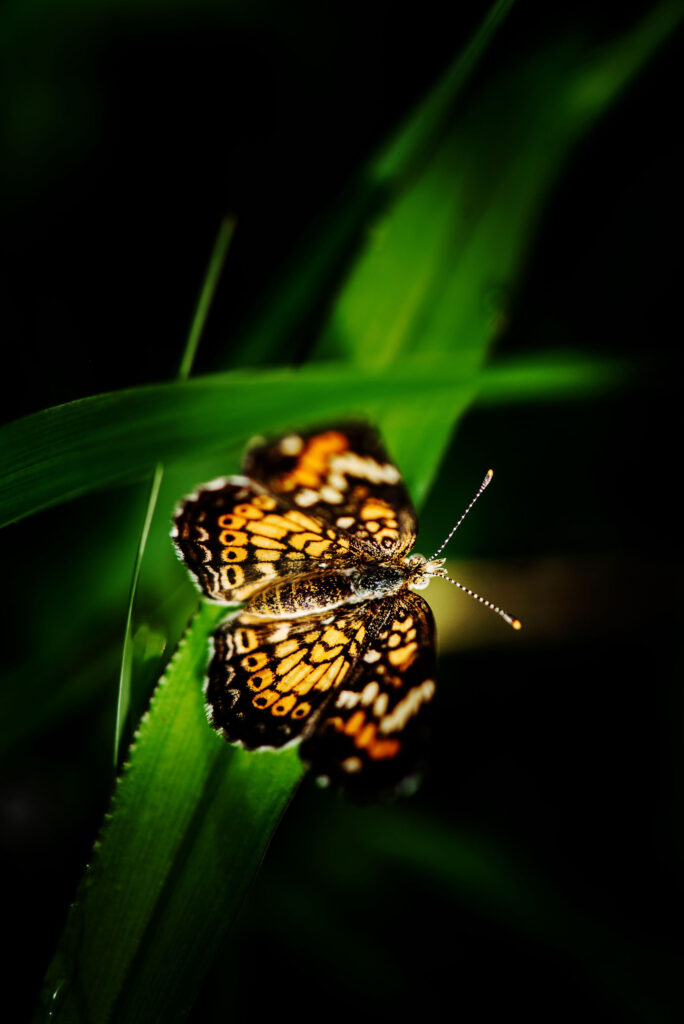
At Jerry Pate Design, our approach to creating a biophilic space begins with sensory immersion and the principle of direct experience. Rather than simply placing plants, we design an ecosystem that engages all five senses to foster deep restoration. The strategic use of water features, a palette of native flora, varied textures and locally sourced stone and wood reinforce the connection to the local environment.
We treat each project with a level of creativity that invites connection to nature and personal reflection. The result is an experience that provides all of the improvements to health and wellness that the practice of biophilic design has to offer. Please get in touch to see how we can bring the experience of nature to your property.
