Golfweek Features Jerry Pate Design and Teeth of the Dog - Read More

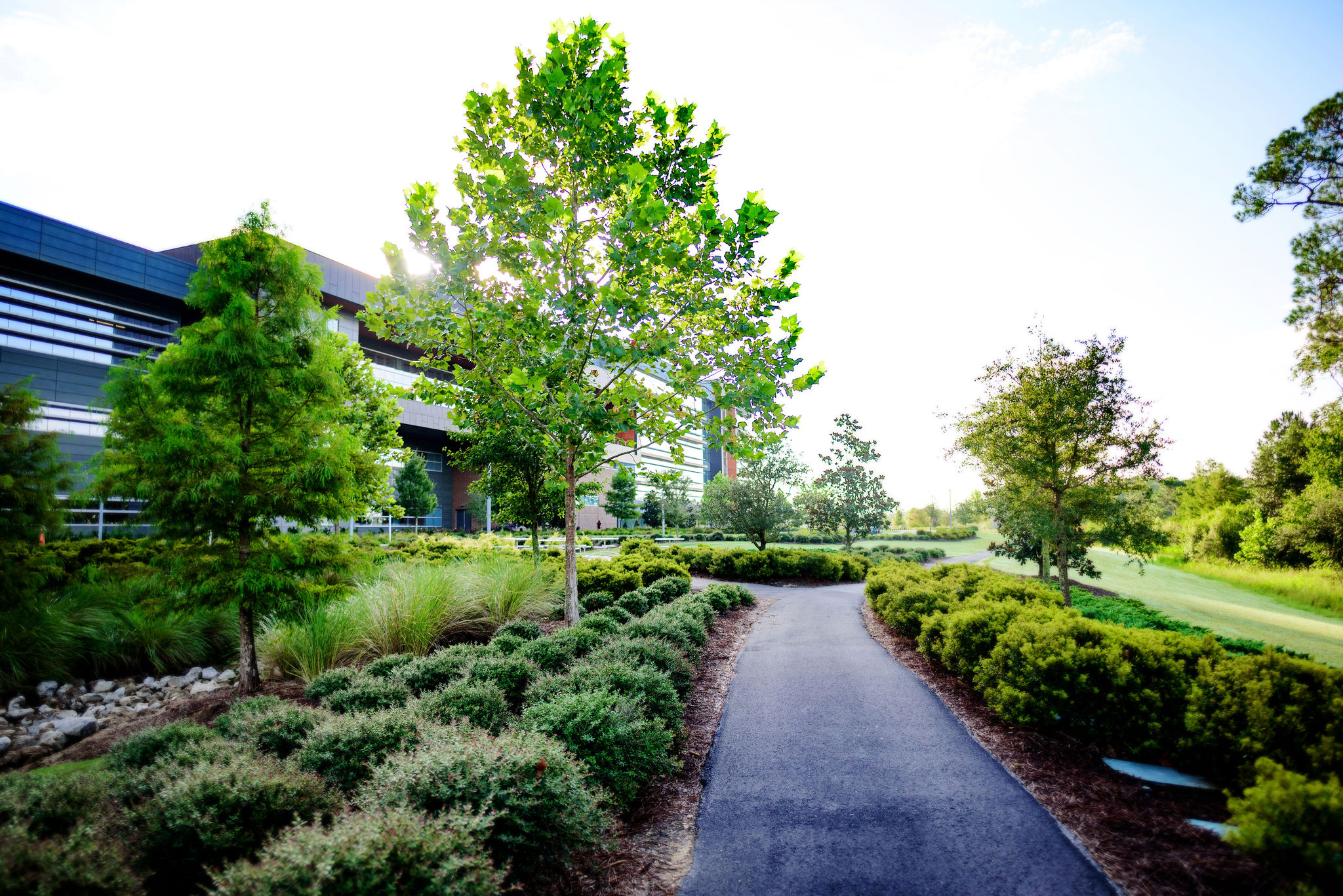
In commercial landscape design, visual appeal is impactful, but functionality is critical. Practicality is just as important as the look of a landscape, even if it sometimes goes unnoticed. Designing landscapes for functionality and flow ensures that practicality is prioritized right along with beauty, resulting in exceptional design.
Functionality
When discussing functionality and flow in landscape design, it’s important to first understand what these concepts really mean. Functionality refers to the accessibility of a space, how it performs for its intended use, its maintenance requirements and its sustainability. It involves how well and how efficiently a design meets the needs of the client and visitors.
Accessibility
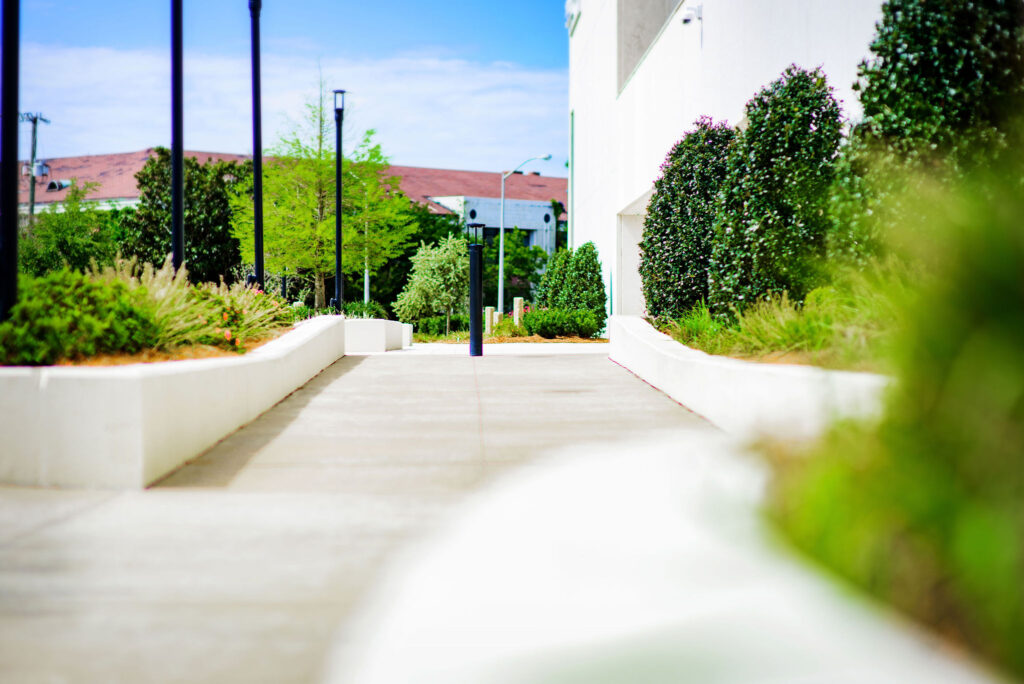
Accessibility is an important consideration in commercial landscaping. A property must be accessible to all users, regardless of age or physical ability. Meeting regulatory and liability requirements is a necessity. Welcoming the widest variety of visitors is good for business. Wide, accessible pathways, gently sloping ramps, protective handrails and seating areas may all be ingredients in the accessibility design.
Meeting the needs of the client is also a primary consideration when designing landscapes for functionality and flow. Is the landscape merely a transition space from building to building, or should users be urged to stop and enjoy the space? Efficient and direct sidewalks or curving pathways with resting areas meet the differing requirements. Play spaces, exercise stations or shaded meeting areas may be other functional requirements.
Maintenance and Sustainability
Functionality also refers to the maintenance requirements of a property. Exceptional landscape designs continue to look good long after they are installed. Selection of hardscape materials is critical in ensuring that beauty continues for years to come with minimal upkeep. Choosing the right plants and turf is also important. The best landscape designs include vegetation that looks good long after it’s planted with minimal input.
Creating sustainable landscapes is another prime example of prioritizing functionality. Plants that are well adapted to the local environment help to reduce irrigation, fertilizer and energy use. Permeable surfaces such as natural stone paths and gravel walkways are visually appealing while providing effective runoff management. Careful plant and hardscape selection with an eye towards sustainability results in cost savings while having a positive environmental impact.
Flow
Designing landscapes for functionality and flow also deals with how visitors are guided through the space. In many commercial landscapes, flow serves a functional purpose by routing visitors to buildings, parking areas or gathering areas. In other cases, flow may serve to facilitate movement through the story that the landscape tells. Simply guiding the eye to the individual highlights of the design is also part of flow.

A Path to Be Followed
The actual path that visitors follow is perhaps the most obvious aspect of creating flow in a landscape. While walkways and paths may seem like a relatively uninteresting part of the design, there is a lot of thought that goes into them. Curved and winding paths naturally encourage exploration and provide a more organic experience. Straight walkways provide a more direct route, but can also serve to direct the eye to an important focal point.
Of course, there is an element of functionality in the design of walkways. They must serve the purpose of efficiently getting people where they need to go. The best option is to create walkways that support the natural movement of visitors through the space. Still, we often see informal footworn paths cutting across lawns simply because they’re a more direct route.
A good landscape designer first asks where people will want to walk and then creates a path that blends with the natural surroundings as harmoniously as possible. When unplanned cut-throughs do develop, there are still ways to make them safer and control their impact on the landscape. Pavers or aggregate paths offer alternatives that will help minimize the visual impact of wear patterns.
Creative Guiding
Encouraging visitors to take a certain route isn’t all about sidewalks. Soft barriers can gently dissuade shortcuts. These include low, dense plantings like dwarf shrubs or ornamental grasses directly adjacent to the path, which may not be difficult to pass but make traversing the area less appealing than using the paved route.
A continuous bank of dense hedges or shrubs is ideal for discouraging pedestrians from leaving the desired route. Low hedges work well and don’t block sightlines or detract from other design elements. For even more defined edges, a subtle physical barrier such as a decorative low fence, strategically placed boulders, or a small curb can provide a clear and effective demarcation without feeling overly restrictive.
Cohesive Design
Creating harmony throughout the landscape is where flow really influences and supports the artistic vision. Carefully selected plantings and hardscape elements serve to connect different elements of the landscape into a cohesive whole rather than a collection of disparate elements.
Plantings and hardscape elements can be used to express many different themes, such as movement and rhythm throughout the design. Varying heights, textures, density and colors create depth and direct the eye. Cascading plants, climbing vines and waving grasses instill a sense of motion and energy. Repetition of plant species or groups of colors reinforces the flow and provides visual continuity. Tall trees, trellises, sculptures and fountains offer opportunities for rest and engagement.
The Importance of Functionality and Flow
Beauty is only one aspect of commercial landscape design. The installation must also be resilient, easy to maintain and sustainable. Foot traffic is a critically important consideration for most businesses, but can be hard on the landscaping. Landscape architecture should promote increased foot traffic while mitigating the negative impacts wherever possible.
Designing landscapes for functionality and flow is what separates merely attractive landscapes from exceptional ones that give your property a competitive edge. At Jerry Pate Design, we take the time to understand not only how a landscape design will look, but how it will function, as well. Please get in touch to see how we can perfect the functionality and flow of your landscape.
