Golfweek Features Jerry Pate Design and Teeth of the Dog - Read More

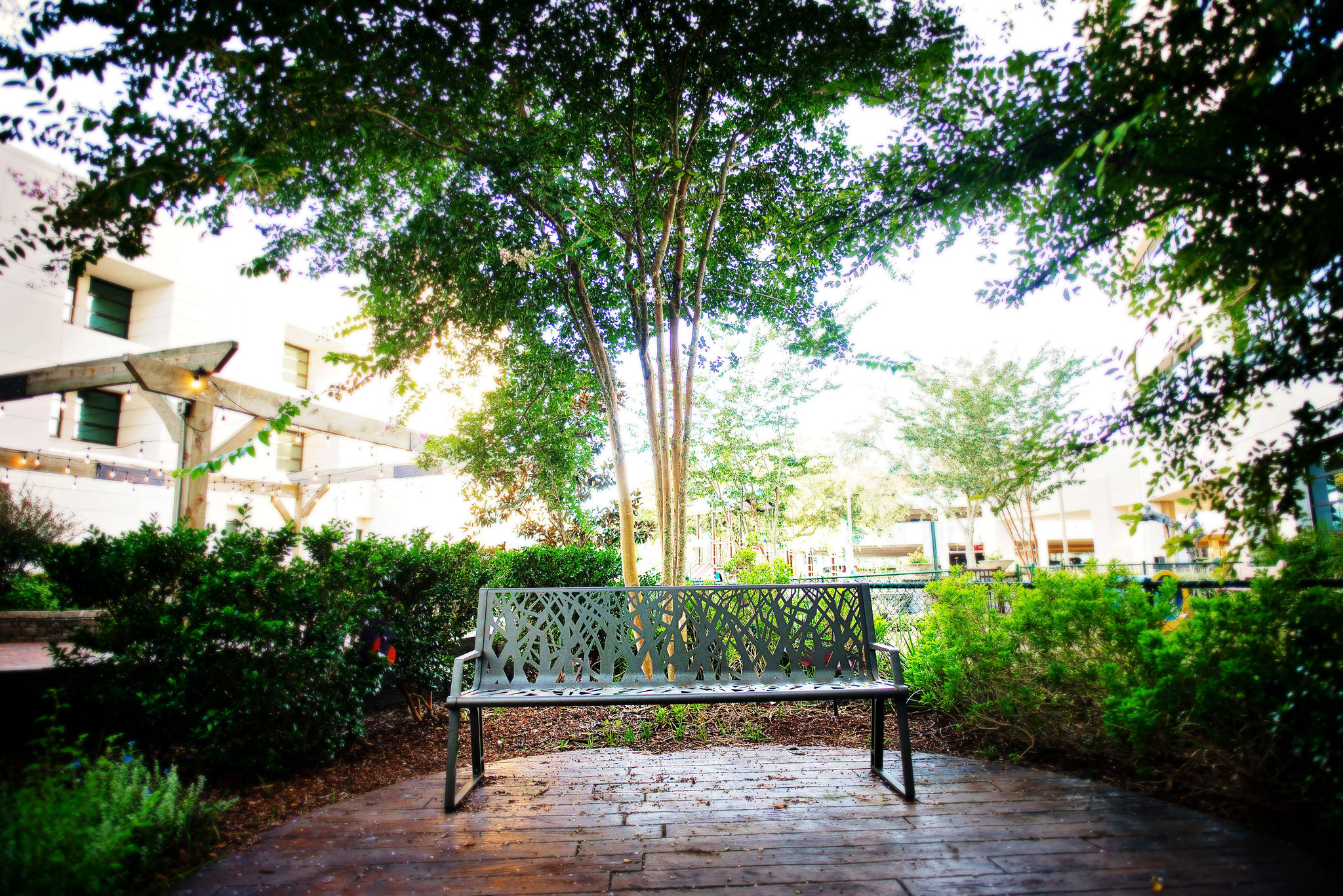
Outdoor spaces have become a popular focus for commercial property improvements. Whether it’s a little more attention to landscaping or the addition of a fully programmed outdoor environment, businesses are prioritizing their open-air spaces. Designing outdoor spaces for all seasons extends usability, enhances guest experience, and delivers a stronger return on investment.
The trend toward improving outdoor spaces saw a noticeable uptick during the pandemic years, as businesses adapted to changing customer behaviors and expectations. Extending usable space beyond interior walls became an attractive solution, both for increasing capacity and for the well-documented benefits of fresh air and open environments for patrons and employees alike.
The shift toward viewing outdoor space as a business asset continues today. Spending on outdoor improvements has remained strong, even as broader capital expenditures fluctuate. One study showed that 53% of improvement spending in 2024–2025 prioritized outdoor projects. From restaurants and hotels to office campuses and mixed-use developments, features like pergolas, awnings, landscaped courtyards, and outdoor seating areas have become essential—not optional.
Improving ROI
Expanding usable square footage doesn’t always require new construction. Enhancing outdoor areas can be a cost-effective way to increase capacity, improve customer experience, and elevate property value. This is particularly true in a market where construction costs and interest rates remain high. Designing outdoor spaces for all seasons offers an even greater return, ensuring these environments generate value year-round rather than seasonally.
Ways to Design Outdoor Commercial Spaces for All Seasons
Outdoor spaces offer the most value when they are thoughtfully designed as extensions of the business itself. Today’s users expect more than just a place to sit. They want to dine, relax, meet, collaborate, and even work outdoors. Designing outdoor spaces for all seasons means creating environments that are not only visually appealing, but also comfortable, functional, and adaptable.
Rain and Sun Protection
Perhaps the most useful addition to any outdoor commercial space is protection from the elements. A space that stays dry on a rainy day and shaded on a sunny one will be usable far more often throughout the year. Permanent roofing structures are a reliable solution, while pergolas, shade sails, and cantilevered canopies offer flexible, modern alternatives. Retractable screens and coverings can further enhance comfort and usability.
Lighting
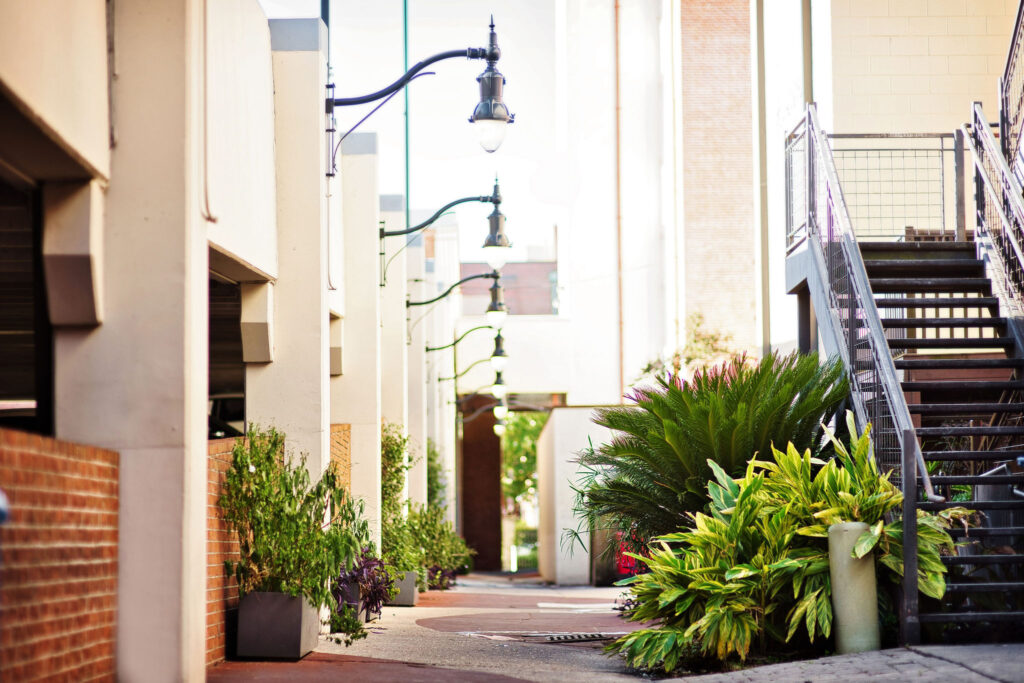
Lighting is a critical component in designing outdoor spaces for all seasons. As daylight hours shift, well-designed lighting ensures outdoor areas remain safe, inviting, and functional.
String lighting continues to be a popular choice for its ability to create ambiance while providing practical illumination. In commercial settings, layered lighting—such as pathway lights, uplighting for architectural features, and accent lighting—can elevate the overall experience. Solar lighting has also gained traction due to its ease of installation and versatility. With no need for extensive electrical infrastructure, it can be used to highlight walkways, gathering areas, landscaping features, and entry points.
Bug Control
A covered outdoor space also opens the door to managing nuisance insects like mosquitos and flies. This is an important consideration for guest comfort. Screens and enclosures are effective solutions, while newer options like sliding screen curtains offer flexibility for different seasons. Vinyl curtain systems can also help retain warmth during cooler months. Ceiling fans not only improve air circulation but can also help deter insects.
Outdoor Dining and Activation
Outdoor dining has long been a staple for commercial properties, but designing for all seasons means taking it further. A well-equipped outdoor service area—complete with cooking, prep, and service capabilities—can significantly increase dwell time and revenue potential.
From restaurant patios to hospitality lounges, features like outdoor bars, mobile cooking stations, and integrated service areas help create a seamless indoor-outdoor experience that encourages guests to stay longer.
Gathering and Experience
Designing outdoor spaces for all seasons also means creating an environment where guests, tenants, and employees want to spend time. Outdoor TVs, projection screens, and integrated sound systems can support everything from game-day gatherings to corporate events.
Comfortable, durable furnishings are essential. Materials like teak, powder-coated aluminum, wrought iron, and synthetic wicker offer both style and longevity in commercial applications. Weather- and UV-resistant fabrics ensure that seating remains attractive and functional over time.
Fire and Water Features
Nothing draws people outdoors quite like the warmth and ambiance of fire. Fire pits, fire tables, and built-in fireplaces can extend the usability of outdoor spaces well into cooler months. Options range from simple, movable units to permanent architectural features fueled by wood, propane, or natural gas.
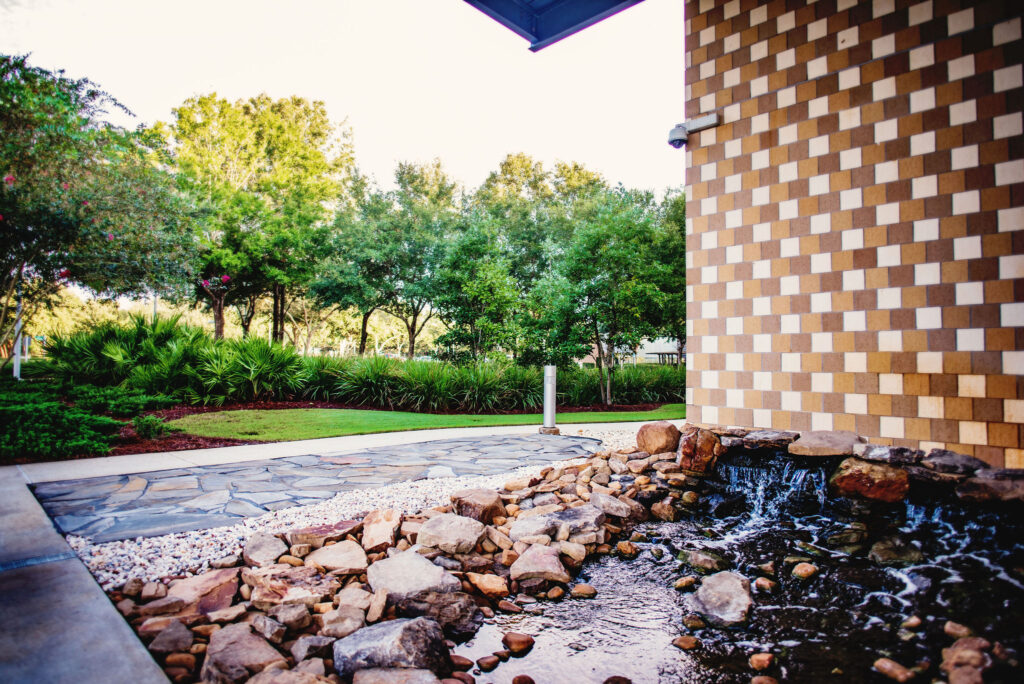
Water features like fountains, reflecting pools, or plunge features add a sensory element that enhances the overall atmosphere. In hospitality and mixed-use settings, they can serve as focal points that elevate the guest experience year-round. They also have the added benefit of providing a cooling effect for the surrounding environment during warmer seasons. Studies have shown that fountains can reduce ambient air temperature in their immediate surroundings by up to 9 degrees.
Hardscaping
Hardscaping provides a visual and structural foundation that remains consistent throughout the seasons. Unlike plantings that change or go dormant, elements like stone walkways, retaining walls, patios, and pavers offer lasting architectural interest.
These features create a clean, durable framework for outdoor environments. In warmer months, they contrast beautifully with greenery, while in cooler seasons, they maintain visual appeal through texture, form, and structure.
Seasonal Plant Variety
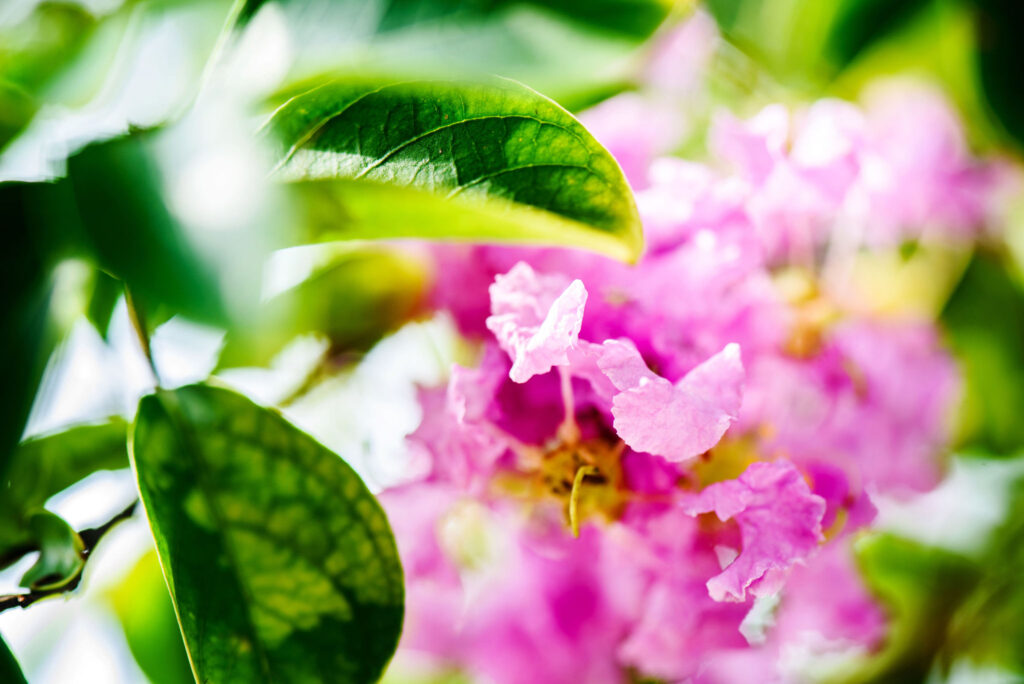
Greenery remains an essential component of any outdoor space. In commercial environments, thoughtful plant selection ensures visual interest year-round with minimal maintenance. Incorporating evergreen plants, seasonal bloomers, and varied textures helps maintain a polished appearance across all seasons. Trees such as Dogwoods and Redbuds provide spring color, while Boxwoods and conifers offer consistent structure and greenery. Ground covers like stonecrops and ornamental grasses add depth and visual movement, even in colder months.
Bulbs like daffodils and tulips can be strategically planted to provide early seasonal color, creating a welcoming and dynamic landscape that evolves throughout the year.
Designing Outdoor Spaces for All Seasons
Outdoor spaces don’t have to be underutilized when the warmer months end. With thoughtful design, strategic features, and seasonal planning, commercial outdoor environments can remain active, inviting, and profitable throughout the year.
Investing in outdoor spaces is already a smart business decision, and designing them for all seasons makes that investment work even harder. Let the team at Jerry Pate Design show you how you can make the most of your landscape month after month!
