Golfweek Features Jerry Pate Design and Teeth of the Dog - Read More

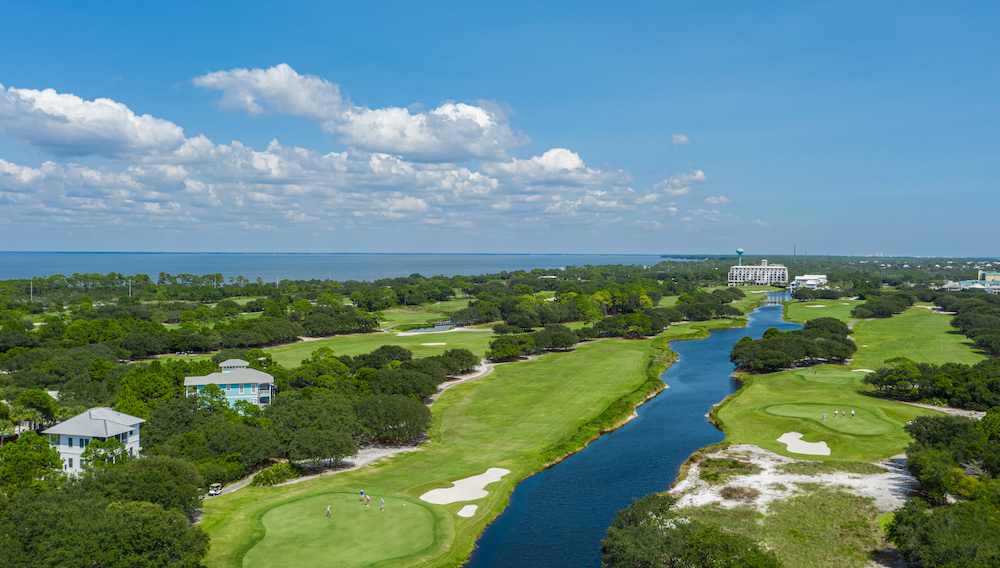
Shown in the cover photo is the Kiva Dunes course, one of Jerry Pate Design’s projects.
We’ve seen countless debates about what makes a great golf course truly memorable. Is it the dramatic elevation changes? The strategic bunkering? The quality of the turf? The stunning views? One argument continually dominates the conversation: that golf course length is what determines its appeal.
For the accomplished amateur golfer, the scorecard’s yardage often holds a disproportionate sway over a course’s perceived appeal. But does golf course length truly determine the appeal, or is it a superficial measure that overshadows the deeper, more enduring qualities of brilliant design?
The Appeal of the Long Course
The traditional view, particularly among competitive golfers, is that length does significantly increase appeal. This belief is rooted in several compelling factors that cannot be overlooked in a discussion of whether length determines the appeal of a golf course.
The Ultimate Test of Power and Skill
A long golf course that stretches over 7,000 yards presents the ultimate physical challenge. For the golfer with a high swing speed and mastery of the driver, a long course provides an irresistible playground. Successfully executing a long drive followed by a demanding long-iron approach shot provides a profound sense of accomplishment.
Courses like the New Course at Indianwood or the Ocean Course at Kiawah Island appeal precisely because they demand maximum power and precise execution across all 18 holes. They separate the truly powerful ball-strikers from the rest.
The Preservation of Par
In an era of advanced club technology and optimized ball flight, maintaining the integrity of par is a constant battle for designers. Adding length is the most direct way to ensure that birdies remain a genuine achievement rather than an expectation. Longer courses force the player to use a wider variety of clubs on approach shots, often leaving the dreaded long-iron or hybrid for the par-4 or par-5.
Increased length helps to maintain the architect’s intended risk-reward ratio and keeps the challenge relevant for the modern, powerful golfer using the best equipment. The longer yardage inherently increases the strategic options a golfer must consider, from layup choices to aggressive carries, ensuring that every hole requires deep thought and commitment. The role that golf course length plays in determining par must be part of the equation when discussing what determines golf course appeal.
Preparation for Tournament Play
For the competitive amateur, especially those with aspirations in regional or national tournaments, playing long, demanding courses is essential preparation. Major championships and elite amateur events are overwhelmingly hosted on courses that maximize length. As a result, the attraction of a long course is boosted by its perceived utility as a training ground for the highest level of competition. Difficulty that is largely imparted by golf course length is seen as a badge of honor and a measure of a golfer’s readiness.
The Case for the Shorter Course
Despite the powerful argument that the length of a golf course determines its appeal, it’s a profound mistake to conclude that it is the sole or even primary determinant of that appeal. Many of the world’s most lauded courses, often those from the golden age of golf course architecture, are deceptively short by modern standards, yet they endure because of their brilliant design.
A Focus on Strategy and Angles
A brilliantly designed shorter course shifts the test from brute force to subtlety, strategy, and precision. The architect uses elements other than distance to create challenges. Rather than forcing a 300-plus-yard drive, the course asks where a 250-yard drive should land to gain the optimal angle of approach. This is the genius of designers like A.W. Tillinghast and Donald Ross.
On a shorter par-4, the green complex often becomes the central defense. Viciously contoured greens, hidden pin positions, or surrounding hazards that reject poorly struck shots force the golfer to think backwards from the flag. The true challenge lies in the second shot, rather than a powerful first one. Demanding approaches require precise trajectory, spin, and distance control.
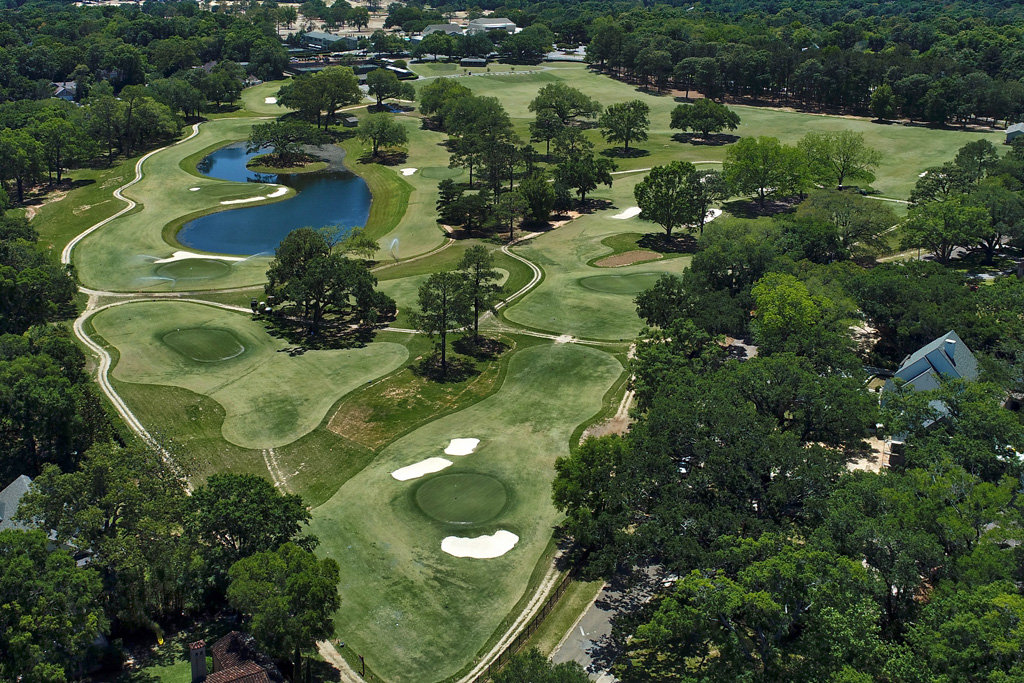
This emphasis on ball placement and effective strategy over sheer distance is often far more engaging and rewarding for the thinking golfer. A perfect example of a short par-4 can be found at Jerry Pate’s 17th hole at The Preserve Golf Club, which is as compelling and frustrating as any long hole in the world.
Enhancing Accessibility and Enjoyment
It’s a simple truth: for the vast majority of golfers, an overly long course is physically exhausting and time-consuming, leading to slower play and increased frustration. A shorter, more walkable course that takes less time to play instantly boosts its appeal by being more accessible and enjoyable. It allows golfers to focus on the shot-making and the environment rather than the sheer endurance test.
Furthermore, shorter courses often offer a greater variety of scoring opportunities and require creative shot-making. They encourage the use of different clubs off the tee, perhaps encouraging a driving iron or a 3-wood instead of a driver. It adds a layer of decision-making that long, “grip it and rip it” holes often lack. As we mentioned in our previous post, a variety of hole lengths gives golfers of every skill level the opportunity to utilize and gain experience with an assortment of shots and clubs.
Sustainability and Walkability
From a modern landscape architecture perspective, shorter courses offer significant advantages in sustainability. They require less land, less water for irrigation, and less energy for maintenance. This aligns with a growing desire among golfers for courses that are environmentally responsible. Of course, that maintenance is also costly, and shorter courses offer an economic benefit for owners and managers, as well.
Moreover, a course designed for walkability, often facilitated by a shorter total yardage and closer proximity between greens and tees, provides a more intimate and traditional experience. This connection to the landscape is a deep, intrinsic form of appeal that raw length cannot replicate.
The Triumph of Design
Ultimately, for the accomplished amateur, length is a crucial ingredient but not the recipe itself. A course that is long and strategically brilliant offers the peak appeal. It’s the perfect marriage of power and finesse. However, a long course that is merely long, with a series of repetitive, flat, and featureless holes, is a design failure. Similarly, a short course that lacks interesting features or strategic choices can be both easy and dull.
More than just golf course length determines the appeal. The true magic of a great course is determined by its design architecture. It’s the combined strategic deployment of hazards, cunning contours of the greens and thoughtful routing across natural terrain that determines the appeal of a golf course. The way a course challenges the golfer’s mind, not just their muscles, makes for a memorable experience.
Great design ensures that every golfer, regardless of their handicap or club speed, is asked a difficult question on every tee box. The best courses are those that feel easy to par but difficult to birdie—keeping in mind that “par” and “birdie” are relative to each player’s skill rather than the scorecard alone. For an 18-handicap, for example, a bogey may serve as a personal par. This enduring quality is not measured by yardage, but by the intricacy of the challenge. So, while golf course length will always be a part of the conversation, it’s the genius of the architect’s intent, the strategic “why” behind every yard, that truly determines a course’s lasting appeal and separates the masterpieces from the mundane.
