Golfweek Features Jerry Pate Design and Teeth of the Dog - Read More

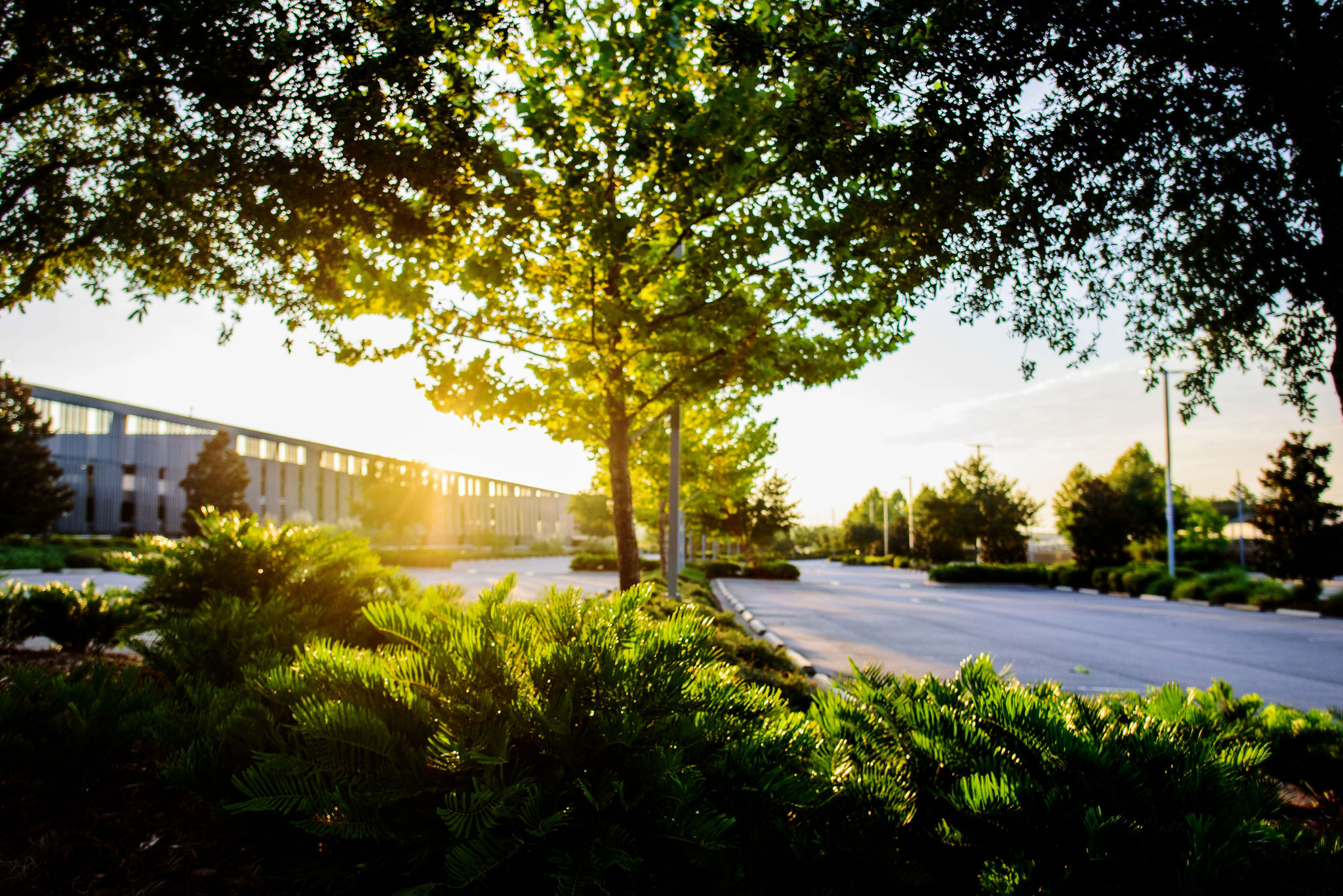
It is an exciting time to be a landscape architect. Trends in both residential and commercial real estate are steadily evolving and opening the way for many new design choices. Consumer sentiment has shifted the expectations that the landscape must fulfill. At the same time, technology has created opportunities in design, implementation and maintenance. Trends shaping outdoor spaces in the next decade have us looking forward to what the future brings.
A Seamless Threshold
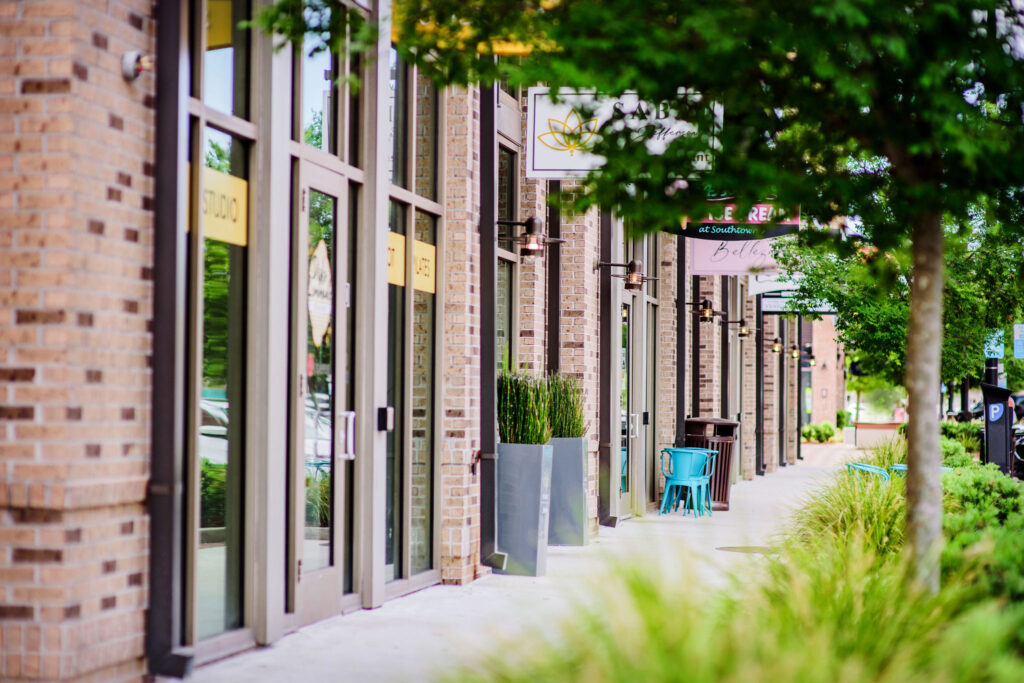
Commercial property owners and developers are increasingly looking to outdoor spaces as an extension of the built environment. Thoughtful landscape architecture can create a seamless transition between indoor and outdoor areas through cohesive materials, intentional plantings, and strong visual connections. Comfortable seating, attractive lighting, shade structures, and flexible gathering areas can transform underutilized exterior spaces into inviting destinations for employees, tenants, customers, and visitors.
All-season usability will continue to be an important consideration in commercial landscape architecture. Features such as rain and sun protection, durable furnishings, outdoor dining, and meeting areas, pedestrian-friendly pathways and thoughtfully designed lighting can help commercial landscapes serve a purpose throughout most of the year. By creating functional outdoor environments where people genuinely want to gather, work, and spend time, businesses and property owners can make better use of available space while enhancing the overall experience and value of the property.
Regenerative and Climate Resilient Design
As businesses, developers, and municipalities place greater emphasis on sustainability, commercial landscape architecture is moving beyond expansive turf areas toward more ecologically responsible alternatives. Traditional lawns can require significant water, chemicals, and ongoing maintenance while providing relatively little ecological value. In their place, landscape architects are increasingly incorporating native plantings, diverse vegetation, and other strategies that create attractive commercial environments while using resources more efficiently.
Climate-resilient design focuses on creating landscapes that are well suited to local environmental conditions. Native and adapted plant species can reduce irrigation and maintenance requirements while providing habitat and supporting biodiversity. These strategies can be particularly valuable for commercial properties, campuses, mixed-use developments, and public spaces where long-term performance and maintenance costs are important considerations.
Regenerative design takes this philosophy a step further by seeking to actively improve the health of the surrounding ecosystem rather than simply minimizing environmental impacts.
Strategies may prioritize soil health, water conservation, stormwater management, biodiversity, and resilient plant communities. Over time, these landscapes can become healthier, more self-sustaining systems that benefit both the property and the larger environment.
Commercial landscapes are also being designed to support the people who use them in new ways. Rooftops, courtyards, underutilized lots, and other exterior spaces can incorporate community gardens, edible plantings, and urban agriculture. In addition to producing fresh food, these spaces can help manage stormwater, reduce heat, create opportunities for education, and encourage interaction among employees, tenants, residents, and visitors.
As climate-resilient and regenerative design continue to evolve, integration will be key. Successful commercial landscapes must balance ecological performance with aesthetics, functionality, accessibility, and the needs of the people who experience them every day. Finding that balance allows landscape architecture to contribute to healthier ecosystems while creating distinctive, engaging, and enduring places.
Water Management
Water availability has become a concern in much of the U.S. and a critical issue in some areas. Precipitation events have become more extreme while dry periods between rains are lasting longer. Mitigating stormwater damage and irrigating responsibly will both continue to be trends shaping outdoor spaces in the next decade.
Water from rain that falls in a commercial landscape often does not stay there. Some rainfall is taken up by plant roots immediately, while some is retained in the soil. During heavy precipitation events, far too much water runs off and ends up in streams and lakes via ditches and storm sewers. This runoff not only disappears from where it is needed, but picks up contaminants such as motor oil, fertilizer and pollutants on its way downstream.
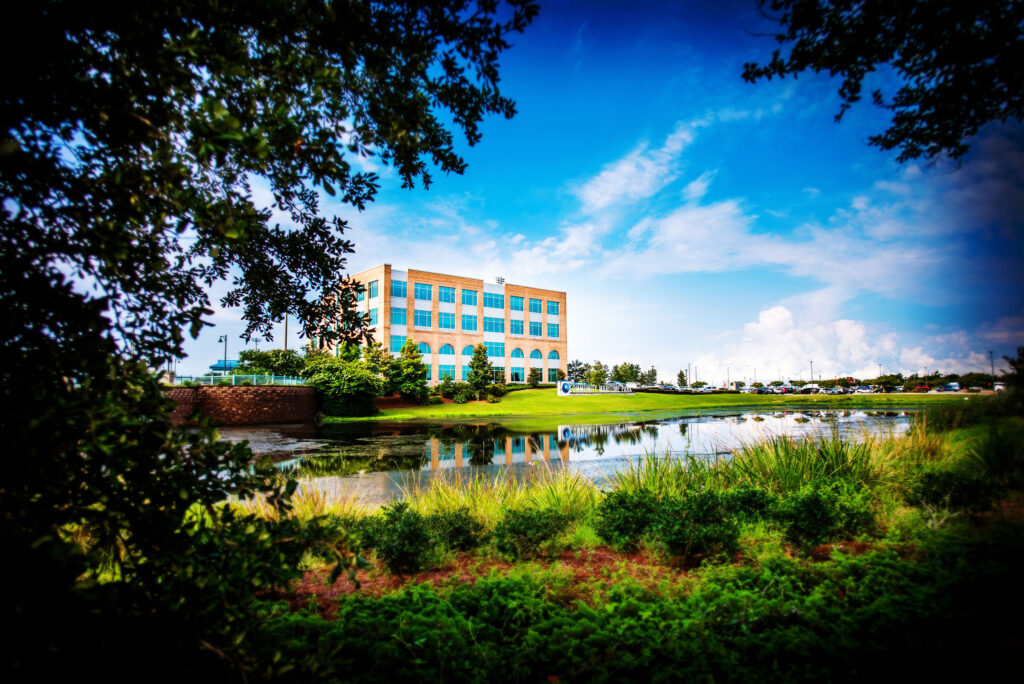
Rainscaping is an exciting new trend that addresses the storm water runoff problem with attractive landscape design elements. The sustainable landscape practice is designed to capture, filter, and naturally absorb stormwater runoff right where it falls rather than allowing it to wash over impermeable surfaces into storm drains. By integrating functional shallow rain gardens, vegetated bioswales, permeable paving blocks, rain barrels, and deep-rooted native plants, rainscaping mimics natural hydrological cycles on developed land.
Beyond resolving drainage challenges, rainscaping transforms conventional outdoor spaces into attractive, low-maintenance sanctuaries that enhance local biodiversity and support native pollinators. It is truly a trend that both pleases the eye and serves an important function.
Health and Wellness
The trends shaping outdoor spaces in the next decade in urban and commercial environments will include a focus on health and wellness. Biophilic design, restorative spaces, and movement promotion will continue to gain importance as residents and visitors look for more quality of life improvement from their time outdoors.
Sensory wellness sanctuaries are one of the health and wellness trends that will shape outdoor spaces in the next decade. These sanctuaries are designed with an intentional architectural approach that crafts environment-based retreats specifically engineered to soothe, regulate, and restore the human nervous system.
Circadian-aligned lighting, acoustic dampening materials, soothing natural textures, subtle aromatherapy, and indoor biophilic elements like water features or living walls are thoughtfully balanced to provide a deliberate antidote to urban sensory overload. Designers prioritize grounding palettes and tactile, natural finishes like raw wood, linen, and stone to evoke a tactile sense of calm and presence.
Whether incorporated into recreational venues, high-end retail environments, or modern workplace wellness rooms, sensory sanctuaries transform routine physical spaces into restorative havens that actively reduce cortisol, elevate mood, and encourage deep mindfulness.
The Intelligent Landscape
No discussion of trends to expect in the next decade would be complete without a nod to technology. Landscape architecture is no exception. Digital tools will continue to help shape design and also simplify landscape maintenance and reduce costly inputs.
Immersive tools such as 3D Landscape Information Modeling, augmented reality, and virtual reality will allow architects and clients to walk through dynamic, photo-realistic simulations before breaking ground. Overhead, LiDAR-equipped drones will be used more regularly to capture precise topographic data, microclimate variations, and urban heat maps to inform data-driven design decisions.
Once built, landscapes are increasingly integrated with Internet of Things (IoT) networks. Smart irrigation systems adjust water flow based on real-time soil moisture and weather forecasts. Fertilizer inputs can now be targeted based on automated soil readings and calculations. Computational modeling software now enables architects to quantify carbon sequestration, simulate stormwater runoff and project plant growth over decades. Technological advancements that directly support long-term landscape health and sustainability are literally trends that will shape outdoor spaces in the next decade.
Exciting Times
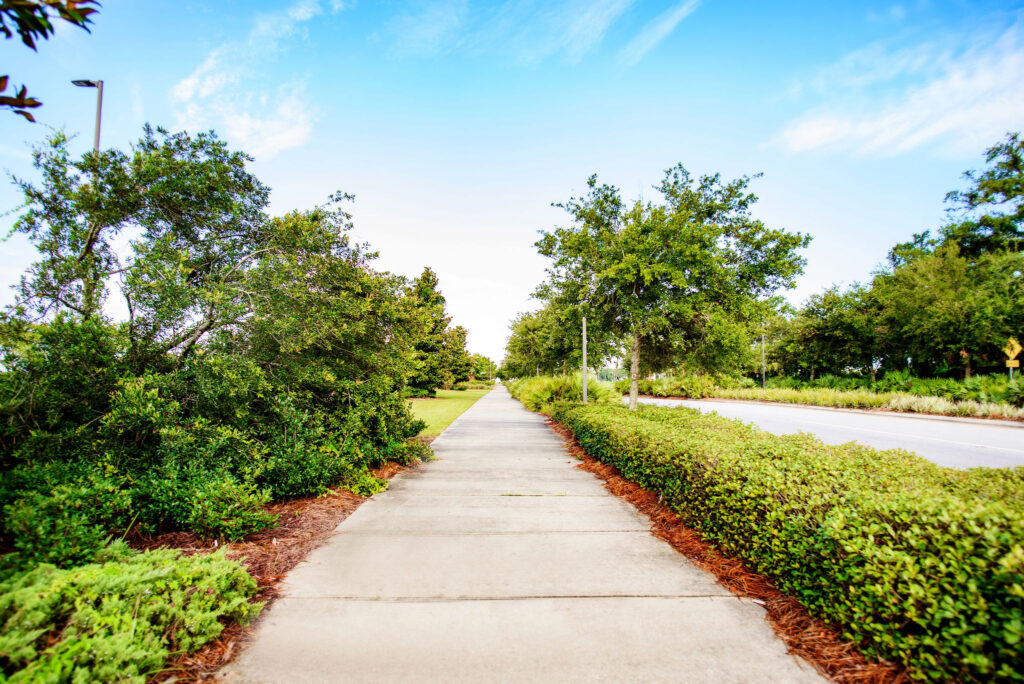
Perhaps the biggest takeaway when discussing the trends shaping outdoor spaces is that they are moving well beyond viewing landscapes as perfectly manicured ornamental luxuries. Landscape architecture is increasingly being designed with a more purposeful focus on well-being and sustainability. Successful future landscapes will be measured not just by how they look on day one, but by how intelligently they grow, restore local ecology, and serve the people who inhabit them. We are excited to take landscape architecture into the next decade.
